
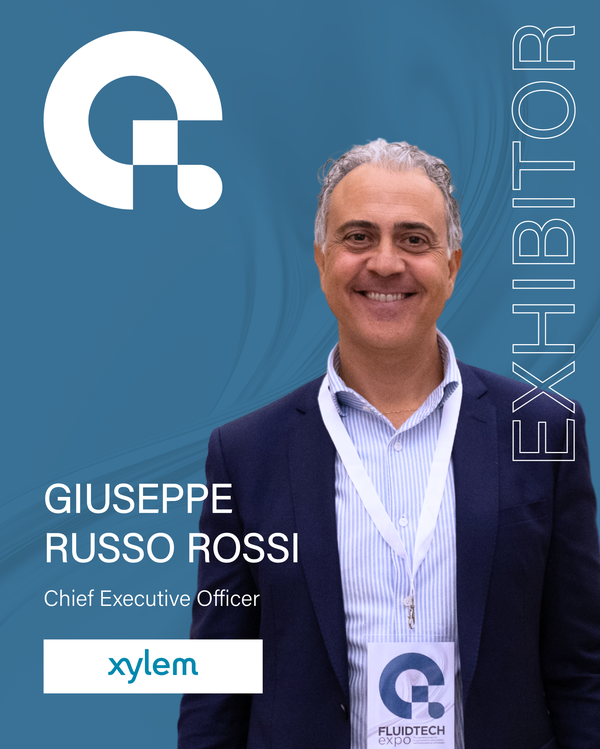
Extreme weather events, water scarcity, European energy-neutrality targets and a new investment cycle that needs to regain momentum following Italy’s National Recovery and Resilience Plan (PNRR). According to Giuseppe Russo Rossi, CEO of Xylem, these are the key issues shaping the future of the water sector.
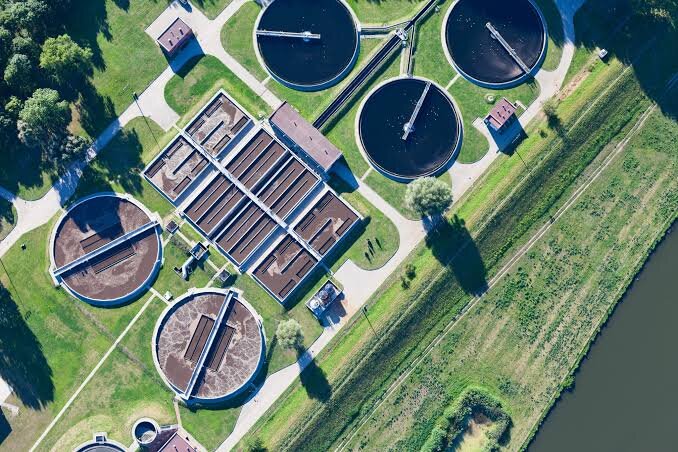
«Our role is to solve water-related challenges across the entire integrated water cycle: from abstraction to conveyance, from drinking water treatment to wastewater handling, through to treatment and the return of water to the environment», explains Giuseppe Russo Rossi. «At every stage of the cycle, Xylem offers products and solutions designed to support its customers».
What are the most pressing challenges facing the sector today?
«There are essentially two: energy efficiency and water management, both when water is in excess and when it is scarce. The European Union and its new directives are driving the transition towards energy neutrality. If a wastewater treatment plant or pumping station is to become energy-neutral, it must be able to generate the energy it consumes. The less energy required to perform the same task, the easier it becomes to achieve net-zero impact. Our goal is to provide customers with products and solutions that have the lowest possible environmental footprint. The other major issue is climate change, which brings alternating periods of intense rainfall and drought. During extreme weather events, water must be managed and moved efficiently, while hydraulic protection infrastructure is needed to safeguard communities. When water is scarce, on the other hand, it must be conveyed and distributed to prevent water shortages from escalating into a crisis. In both cases, the key lies in smart water management that minimises energy consumption».
What are the prospects for investment in water services?
«Investment is a central issue, as we are now moving beyond the period of Italy’s National Recovery and Resilience Plan (PNRR). The Italian market has traditionally needed an external stimulus to get investment underway. New funding tranches or different instruments may follow, but the PNRR has succeeded in setting a virtuous cycle in motion—one that must now become self-sustaining. We still expect some investment to come from external sources, but above all we anticipate greater investment generated internally by utilities, which are increasingly adopting an industrial approach to management. Tariffs will need to be adjusted, even through moderate increases, to enable operators to finance investment directly. This is the path other European countries have already taken».
Xylem has been involved in FLUIDTECH from the very beginning. Why did you decide to take part?
«I have been involved in the project since its earliest stages. More than a year ago, I was invited to join the initiative, and I travelled to Vicenza for the first meetings. Today, there is no dedicated trade fair focused specifically on the water supply chain, encompassing pumping systems, pipes and valves. We have tried participating in existing events, but the results have not met our expectations. The desire to build a strong alternative convinced us to get on board from the outset».
PUBLICATION
27/10/2026